What is Political Framing in Nutrition?
Let’s start by understanding what political framing means in the context of nutrition. Political framing refers to the way information about nutrition is presented and interpreted in political discourse. It involves the use of language, imagery, and narratives to shape public perception and policy decisions regarding nutritional issues.
How Does Political Framing Work?
To explain this concept, consider how different stakeholders might present information about a food item. For example, a government agency might emphasize the health benefits of fruits and vegetables to encourage consumption. In contrast, a food industry group might highlight the economic benefits of processed foods. Both are framing the same nutritional content differently to achieve their objectives.
The Role of Language in Political Framing
Language plays a crucial role in political framing. Think of it this way: the words chosen to describe a nutritional issue can significantly influence public opinion. For instance, referring to a food product as ‘organic’ might evoke positive connotations, while ‘genetically modified’ could provoke skepticism or concern.
Examples of Political Framing in Nutrition
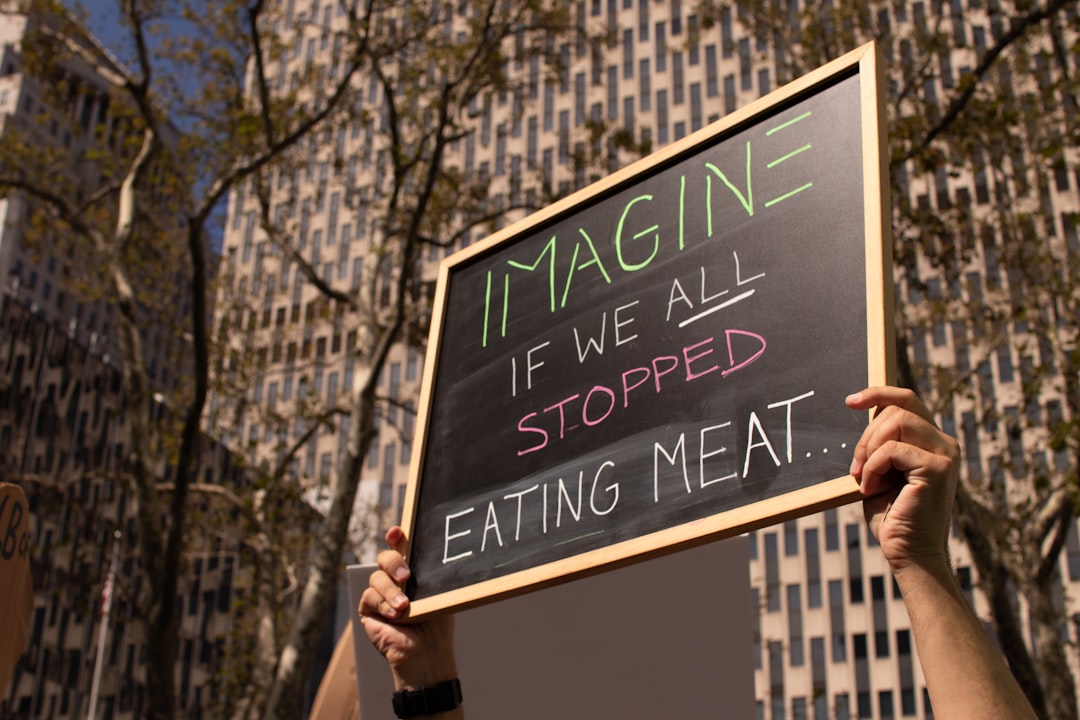
- Health Framing: Emphasizing the health benefits of certain diets, such as plant-based diets, to promote public health initiatives.
- Economic Framing: Highlighting the economic impact of the food industry, such as job creation and economic growth, to support certain agricultural policies.
- Environmental Framing: Focusing on the environmental impact of food production, such as carbon footprint and sustainability, to advocate for eco-friendly practices.
Research on Political Framing of Nutrition
Research shows that political framing can significantly influence public attitudes and behaviors towards nutrition. Studies indicate that when nutritional information is framed in a way that aligns with individuals’ values and beliefs, it is more likely to be accepted and acted upon. For example, a study published in the Journal of Health Communication found that framing messages around personal health benefits increased the likelihood of individuals adopting healthier eating habits.
Multiple Viewpoints in Political Framing
It’s important to consider multiple viewpoints when examining political framing in nutrition. Different stakeholders, such as governments, health organizations, and the food industry, may have varying objectives and interests. For instance, while public health advocates might focus on reducing sugar consumption for health reasons, the sugar industry might frame the same issue in terms of consumer choice and economic impact.
Key Takeaways
- Political framing in nutrition involves presenting information in a way that influences public perception and policy.
- Language and imagery are critical tools in framing nutritional issues.
- Research indicates that effective framing can lead to changes in public attitudes and behaviors.
- Considering multiple viewpoints is essential to understanding the full impact of political framing.
Summary
In summary, political framing of nutrition is a powerful tool used to shape public opinion and influence policy decisions. By understanding how different stakeholders frame nutritional issues, we can better navigate the complex landscape of nutrition information. What you’ve learned is that language, imagery, and narratives play a crucial role in how nutritional information is perceived and acted upon.