The Urgency of Climate-Conscious Eating
In recent years, the conversation around climate change has increasingly turned towards the impact of our dietary choices. I believe it is time to recognize the significant role that food production plays in global emissions. The evidence suggests that adopting a climate-friendly diet is not just a personal choice but an environmental imperative. With agriculture accounting for approximately a quarter of global greenhouse gas emissions, one cannot ignore the potential for dietary shifts to contribute to climate mitigation efforts.
Understanding the Climate Impact of Food
I’ve found that many are unaware of the vast differences in the carbon footprints of various foods. For instance, red meat and dairy products are among the highest contributors to emissions, primarily due to the methane produced by ruminant animals and the land required for grazing. In contrast, plant-based foods generally have a much lower environmental impact. This raises important questions about how we can adjust our eating habits to support a more sustainable planet.
The Rise of Plant-Based Diets
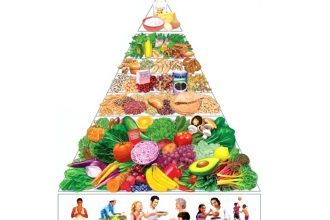
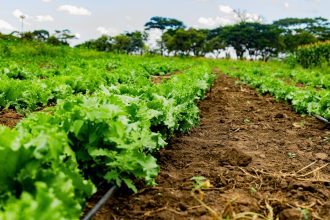
In my opinion, the growing popularity of plant-based diets is a positive trend. Not only do these diets tend to be healthier, but they also offer a viable solution to reducing our carbon footprints. The implications are clear: by reducing meat consumption and increasing our intake of fruits, vegetables, and legumes, we can make a tangible difference in the fight against climate change. This shift, however, requires a concerted effort to change long-standing dietary habits.
Challenges and Misconceptions
One cannot overlook the challenges associated with transitioning to a climate-friendly diet. I’ve discovered that cultural preferences, economic factors, and misinformation often act as barriers. Many people believe that plant-based diets are more expensive or less satisfying, yet studies indicate that they can be both affordable and nutritionally complete. It is worth considering how education and policy can play a role in overcoming these misconceptions.
The Role of Policy and Innovation
We must acknowledge the importance of policy in facilitating dietary changes. Government initiatives can support sustainable agriculture and provide incentives for consumers to choose eco-friendly options. In my experience, innovations in food technology, such as lab-grown meats and plant-based alternatives, also hold promise for reducing the environmental impact of our diets.
Personal Responsibility and Collective Action
I believe that individual choices, when multiplied across millions, can lead to substantial environmental benefits. However, it is also crucial to recognize that systemic change is necessary. This means advocating for policies that support sustainable food systems and holding corporations accountable for their environmental practices. The implications are clear: only through a combination of personal responsibility and collective action can we hope to achieve meaningful progress.
Conclusion: A Call to Action
In conclusion, the transition to climate-friendly diets is a critical component of addressing the global climate crisis. I urge everyone to consider the impact of their food choices and to embrace the potential of a diet that benefits both personal health and the planet. It is time to recognize that our plates can be powerful tools for change, and we must act now to ensure a sustainable future for generations to come.