Understanding the Need for Food System Reform
In recent years, I’ve found myself increasingly concerned about the state of our global food system. It is worth considering the myriad challenges it faces, from sustainability issues to inequitable access and the impact of climate change. One cannot ignore the growing consensus among experts that reform is not just desirable but essential. The implications are clear: without significant changes, we risk exacerbating hunger, environmental degradation, and economic disparities.
The Environmental Imperative
From my perspective, one of the most pressing reasons for food system reform is its environmental impact. Agriculture is a major contributor to greenhouse gas emissions, deforestation, and biodiversity loss. I believe it is time to recognize that sustainable practices must be at the forefront of any reform efforts. The evidence suggests that regenerative agriculture, which focuses on soil health and biodiversity, offers a viable path forward. However, implementing these practices requires systemic change and significant investment.
Economic and Social Dimensions
Moreover, the economic and social dimensions of the food system cannot be overlooked. In my experience, the current system often prioritizes profit over people, leading to inequities that disproportionately affect marginalized communities. This raises important questions about who benefits from the status quo and who is left behind. I think we must acknowledge the need for policies that promote fair trade, support smallholders, and ensure food security for all.
The Role of Technology and Innovation
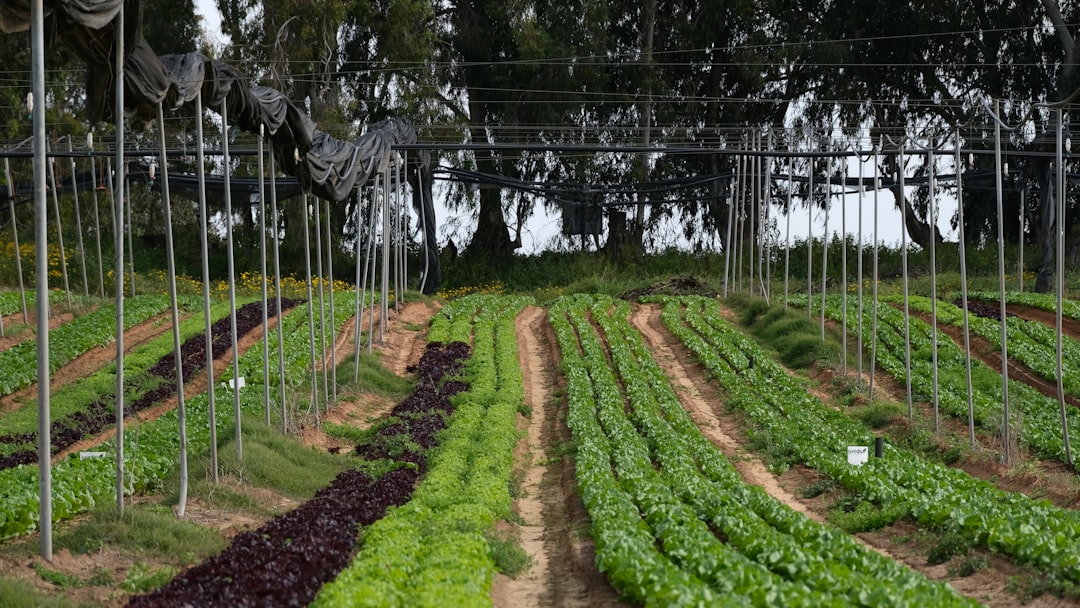
I’ve discovered that technology and innovation hold promise for addressing some of these challenges. Precision agriculture, vertical farming, and lab-grown meat are just a few examples of how technology can enhance efficiency and reduce environmental impact. However, I am aware that these innovations must be accessible and affordable to have a meaningful impact. It is time to recognize that technological solutions should complement, not replace, traditional farming knowledge.
Consumer Responsibility and Awareness
As consumers, we also have a role to play in food system reform. In my opinion, increased awareness and responsible consumption can drive demand for sustainable products. I’ve found that by choosing locally-sourced, organic, and fair-trade products, individuals can contribute to positive change. However, this requires that consumers are informed and empowered to make such choices.
Conclusion: A Call to Action
In conclusion, the need for food system reform is undeniable, and the path forward requires a multifaceted approach. We must acknowledge the environmental, economic, and social challenges and embrace innovative solutions. I believe that by working collectively—governments, businesses, and consumers alike—we can create a food system that is equitable, sustainable, and resilient. It is time to act decisively for the sake of our planet and future generations.