The Emergence of Regenerative Agriculture
In recent years, I have observed a growing interest in regenerative agriculture, a farming approach that promises not just sustainability but also a means to restore and enhance our ecosystems. It is worth considering how this method differs fundamentally from traditional agricultural practices, as it seeks to heal the land rather than merely exploit it. This raises important questions about the future of farming and our role in environmental stewardship.
Understanding the Principles
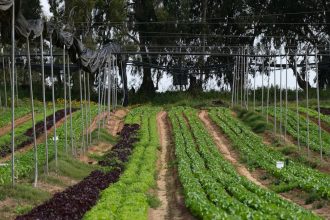
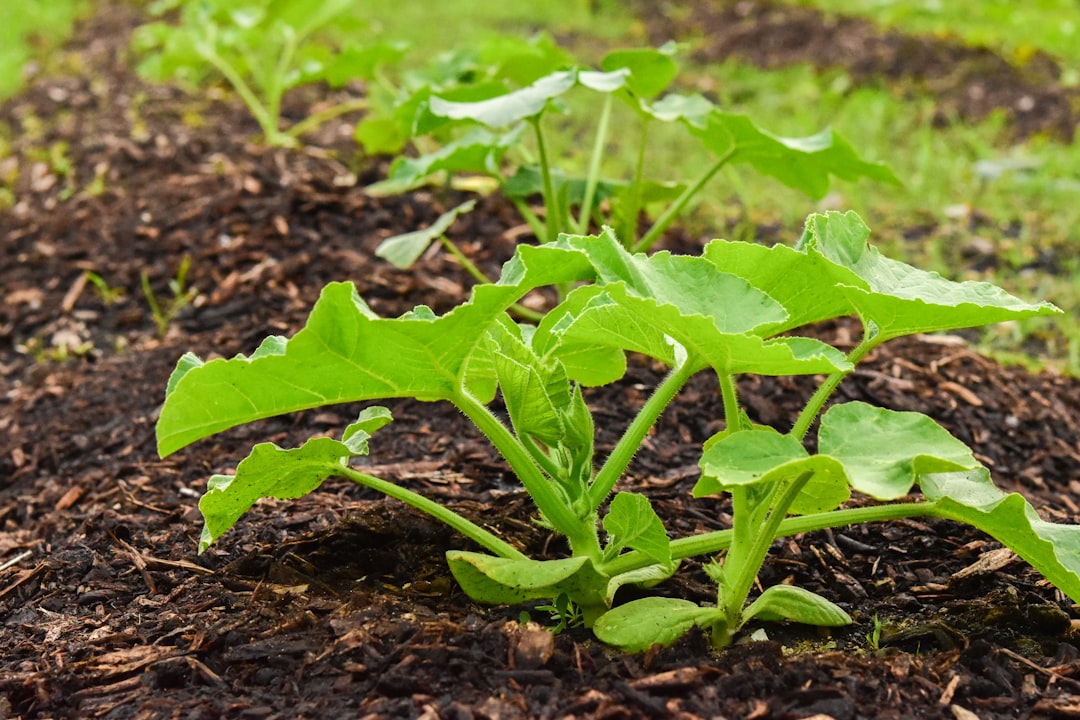
Regenerative agriculture operates on principles that prioritize the health of the soil, biodiversity, and ecosystem services. In my experience, these principles include minimal soil disturbance, diverse crop rotations, cover cropping, and holistic animal grazing. The evidence suggests that these practices can lead to improved soil health, increased carbon sequestration, and enhanced biodiversity. I believe this is important because it offers a viable solution to combat climate change and food insecurity.
Comparing Conventional and Regenerative Practices
One cannot ignore the stark contrast between conventional agriculture and regenerative practices. Traditional methods often rely heavily on chemical inputs and monocultures, which can degrade soil health and reduce biodiversity. In contrast, regenerative agriculture emphasizes working with nature rather than against it. I have found that this approach not only benefits the environment but also enhances the resilience and productivity of farms.
The Economic Implications
It is time to recognize that regenerative agriculture can also have significant economic benefits. While the initial transition may require investment and a shift in mindset, the long-term savings on inputs and improved yields can be substantial. In my opinion, this economic angle is crucial for encouraging more farmers to adopt regenerative practices. The implications are clear: a healthier ecosystem can lead to a more robust and sustainable agricultural economy.
Challenges and Opportunities
However, we must acknowledge the challenges that come with transitioning to regenerative agriculture. Farmers may face barriers such as lack of knowledge, financial constraints, and resistance to change. Yet, I believe these challenges present opportunities for innovation and collaboration. By providing education, financial support, and policy incentives, we can facilitate this transition and unlock the full potential of regenerative agriculture.
The Future of Farming
I think the future of farming lies in embracing regenerative practices that align with ecological principles. As more farmers adopt these methods, we can expect a positive ripple effect on the environment and society. My experience shows that regenerative agriculture is not just a trend but a necessary evolution in how we approach food production. It is time to recognize and support this movement as a cornerstone of sustainable development.