Understanding Food Policy Myths
Food policy is a complex field that affects everyone, yet it is often misunderstood. To navigate these complexities, let’s start by understanding what food policy is. Food policy encompasses the regulations and guidelines that govern how food is produced, processed, distributed, and consumed. These policies aim to ensure food safety, promote public health, and support agricultural sustainability.
Common Myths About Food Policy
There are several myths surrounding food policy that can lead to confusion. To explain these myths, we will break them down into digestible parts.
Myth 1: All Organic Foods Are Pesticide-Free
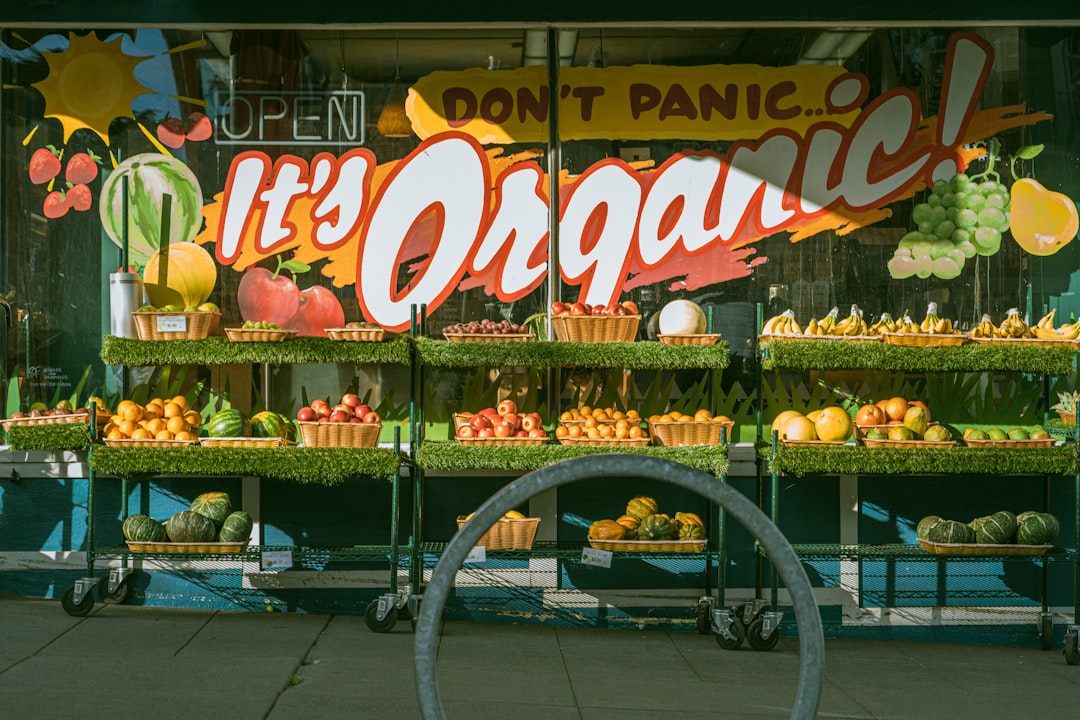
- Let’s start by understanding what organic food means. Organic foods are produced without synthetic pesticides or fertilizers. However, research shows that organic farming can still use certain natural pesticides.
- What this means is that while organic foods have fewer synthetic chemicals, they are not entirely pesticide-free.
- Studies indicate that organic farming practices aim to be more environmentally friendly, but they do not eliminate all pesticide use.
Myth 2: Genetically Modified Foods Are Unsafe
- To explain this concept, we need to define genetically modified organisms (GMOs). GMOs are organisms whose genetic material has been altered using genetic engineering techniques.
- Research conducted by various scientific bodies, including the National Academy of Sciences, suggests that GMOs are safe to consume.
- Think of it this way: GMOs undergo rigorous testing to ensure they meet safety standards before reaching the market.
Myth 3: Local Foods Are Always Better for the Environment
- Here’s how it works: Local foods are often perceived as more sustainable due to reduced transportation emissions. However, studies indicate that the environmental impact of food is also influenced by the methods of production.
- For example, a locally grown product that requires significant energy for production may have a larger carbon footprint than an imported product grown more efficiently.
- In other words, the key point is that environmental impact depends on multiple factors, not just the distance traveled.
Key Takeaways
- Organic foods can still contain natural pesticides.
- GMOs are extensively tested and considered safe by scientific consensus.
- Local foods are not inherently more sustainable; production methods matter.
Summary: What You’ve Learned
In summary, understanding food policy myths requires a careful examination of facts and evidence. By breaking down these myths, we can make informed decisions about the food we consume. Remember, food policy is shaped by a combination of safety, health, and environmental considerations, and it is important to approach these topics with a well-rounded perspective.