Understanding the Intersection of Environmental Justice and Food
In my opinion, the concept of environmental justice is intricately linked to the issue of food access and security. It is worth considering how the distribution of food resources is often skewed by socio-economic factors, leading to disparities that disproportionately affect marginalized communities. One cannot ignore the fact that these communities frequently find themselves in ‘food deserts,’ areas where access to affordable and nutritious food is severely limited. This raises important questions about the role of policy and governance in addressing these inequities.
The Role of Policy in Food Distribution
From my perspective, governmental policies play a crucial role in either perpetuating or alleviating food inequities. I’ve found that policies designed without consideration of environmental justice tend to overlook the needs of vulnerable populations, thereby exacerbating the issue. The evidence suggests that inclusive policy-making, which actively involves community voices, can lead to more equitable food distribution. It is time to recognize that environmental justice must be a cornerstone of food policy if we are to create sustainable and fair food systems.
Community Initiatives and Grassroots Movements
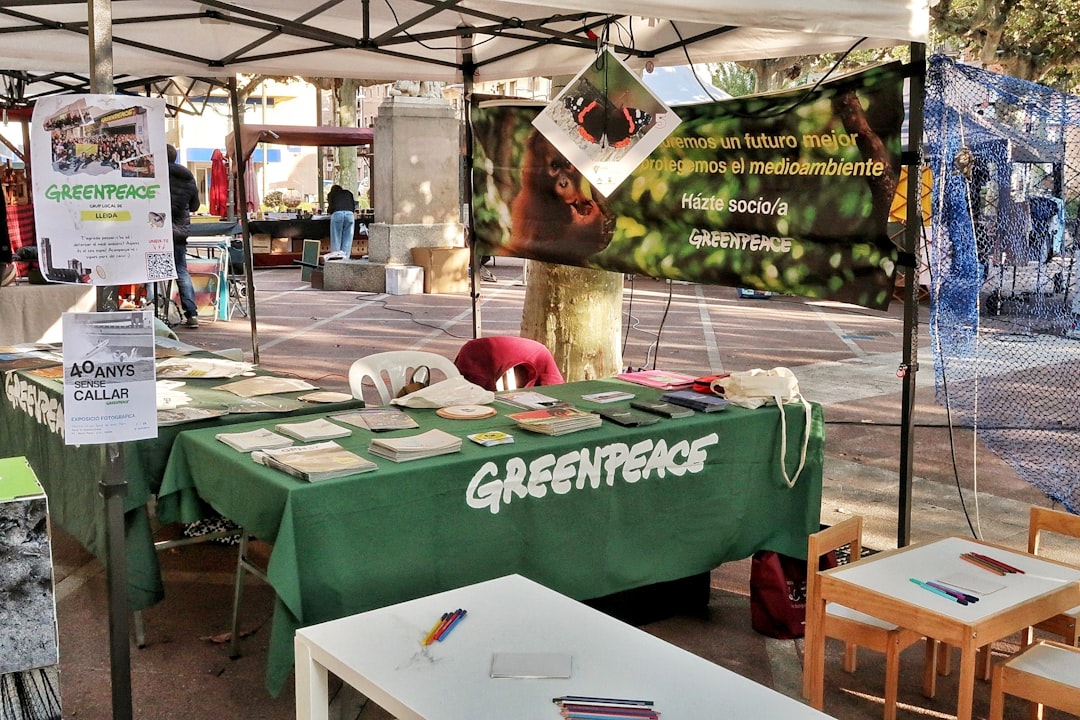
In my experience, grassroots movements and community initiatives have been pivotal in addressing food justice. These efforts often emerge from the very communities affected by food insecurity, demonstrating resilience and innovation. I believe these movements are crucial in driving change, as they not only provide immediate relief but also advocate for systemic transformation. We must acknowledge the power of community-led solutions in fostering environmental justice in food systems.
Corporate Responsibility and Ethical Practices
It is worth considering the role of corporations in the food industry, as their practices significantly impact environmental justice. I think corporate responsibility should extend beyond profit margins to include ethical sourcing, fair labor practices, and sustainability. The implications are clear: companies that prioritize these values contribute positively to environmental justice. My experience shows that consumer pressure can be a powerful tool in encouraging corporations to adopt more equitable practices.
The Path Forward: A Call to Action
In conclusion, the intersection of environmental justice and food is a complex but critical issue that demands our attention. I believe it is time for individuals, communities, and policymakers to collaborate in creating equitable food systems. The evidence suggests that when we prioritize environmental justice, we pave the way for healthier communities and a more sustainable planet. I urge everyone to recognize the importance of this issue and take action, whether through advocacy, policy reform, or supporting community initiatives.