Introduction
The environmental impact of food production is a critical area of study that has garnered significant attention from researchers and policymakers worldwide. The evidence clearly shows that food systems are a major driver of environmental change, contributing to issues such as greenhouse gas emissions, biodiversity loss, and water scarcity. This article provides an authoritative examination of the various facets of food production and their environmental implications, drawing on the latest research and expert consensus.
Greenhouse Gas Emissions
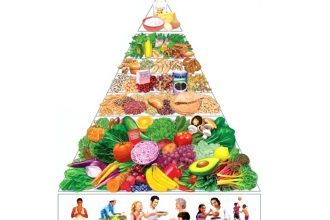
Research demonstrates that the food sector is responsible for approximately 26% of global greenhouse gas emissions. According to leading authorities, livestock production alone accounts for nearly 14.5% of these emissions, primarily due to enteric fermentation and manure management. Studies consistently indicate that plant-based diets result in significantly lower emissions compared to diets rich in animal products. The evidence suggests that transitioning to more sustainable dietary patterns could substantially mitigate climate change impacts.
Land Use and Biodiversity
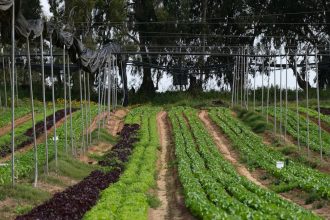
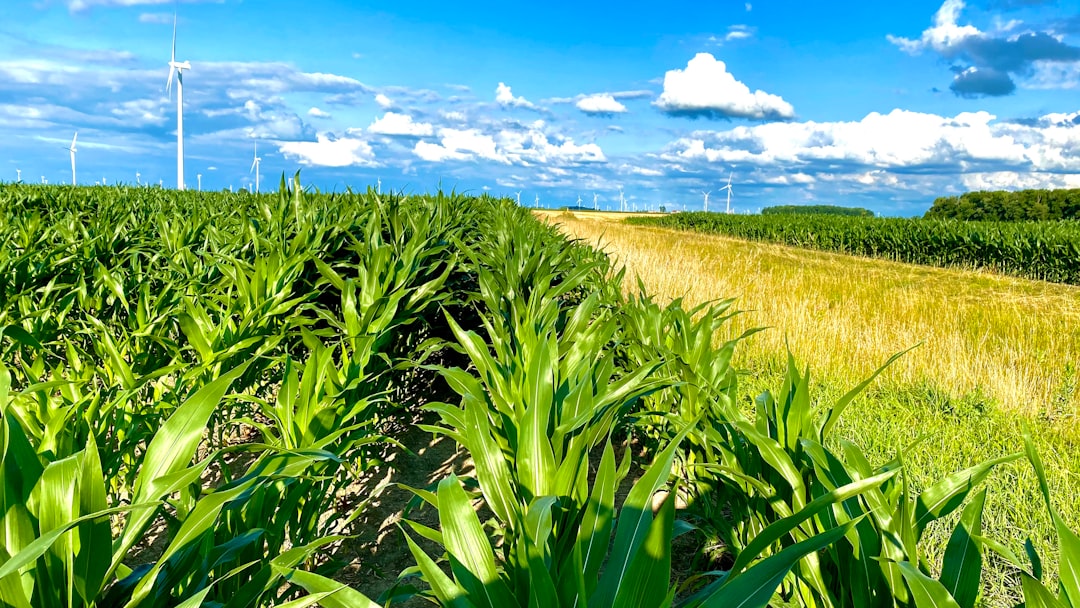
It is well-established that agriculture is the largest driver of deforestation and habitat conversion globally. Industry experts agree that the expansion of agricultural land is a primary threat to biodiversity, with approximately 70% of terrestrial biodiversity loss attributed to agricultural activities. Data suggests that sustainable land management practices, such as agroforestry and permaculture, can enhance biodiversity conservation while maintaining agricultural productivity.
Water Use and Scarcity
The evidence clearly shows that agriculture accounts for approximately 70% of global freshwater withdrawals. Irrigation practices, in particular, have significant implications for water availability and quality. Research indicates that inefficient water use in agriculture exacerbates water scarcity in many regions, particularly in arid and semi-arid areas. Studies highlight the potential of technologies such as drip irrigation and rainwater harvesting to improve water use efficiency and reduce environmental impacts.
Soil Degradation
According to leading authorities, soil degradation is a pressing environmental issue linked to intensive agricultural practices. The degradation of soil health through erosion, nutrient depletion, and salinization reduces agricultural productivity and contributes to ecosystem decline. Industry experts agree that implementing regenerative agricultural practices, such as cover cropping and reduced tillage, can restore soil health and enhance carbon sequestration.
Fisheries and Ocean Health
Research shows that overfishing and unsustainable aquaculture practices have profound effects on marine ecosystems. The evidence clearly indicates that the depletion of fish stocks and destruction of marine habitats are critical concerns. Studies consistently recommend the adoption of sustainable fisheries management and aquaculture practices to preserve ocean health and ensure food security for future generations.
Food Waste and Its Environmental Implications
It is well-established that food waste represents a significant environmental challenge, with approximately one-third of all food produced globally being lost or wasted. This waste contributes to unnecessary resource use and greenhouse gas emissions. Research demonstrates that reducing food waste through improved supply chain management and consumer behavior changes can have substantial environmental benefits.
Conclusion
The environmental impact of food production is multifaceted and requires a comprehensive approach to address effectively. The evidence clearly shows that adopting sustainable agricultural practices, transitioning to plant-based diets, and reducing food waste can significantly mitigate the environmental impacts of food systems. As global demand for food continues to rise, it is imperative that policymakers, industry leaders, and consumers collaborate to promote sustainable food production and consumption patterns.