The Rising Tide of Noncommunicable Diseases
In recent decades, noncommunicable diseases (NCDs) have emerged as a significant global health challenge. It is important to note that these diseases, which include cardiovascular diseases, cancers, chronic respiratory diseases, and diabetes, are responsible for a staggering 71% of all deaths worldwide. The evidence suggests that diet plays a crucial role in the prevalence and management of these conditions.
Understanding the Link Between Diet and NCDs
One cannot ignore the fact that dietary patterns have shifted dramatically over the past century. The rise of processed foods, high in sugars, salts, and unhealthy fats, has been well documented. These dietary changes are linked to an increase in obesity rates, which is a known risk factor for many NCDs. It is worth considering how these dietary habits contribute to the global burden of disease.
Multiple Perspectives on Diet and Health
There are varied perspectives on how best to address the dietary causes of NCDs. Some experts advocate for individual responsibility, emphasizing the need for personal dietary choices that are informed and health-conscious. Others argue that systemic changes are necessary, pointing to the role of governments and food industries in shaping public health outcomes. They have discovered that policy interventions, such as taxes on sugary drinks and subsidies for healthy foods, can lead to significant health improvements.
The Role of Public Policy
Public policy plays a pivotal role in addressing the diet-related aspects of NCDs. It is time to recognize the impact of regulatory measures that promote healthier eating habits. For instance, mandatory food labeling and restrictions on advertising unhealthy foods to children have shown promise in altering consumer behavior. The implications are clear: comprehensive policy approaches can drive meaningful change.
Innovative Solutions for a Healthier Future
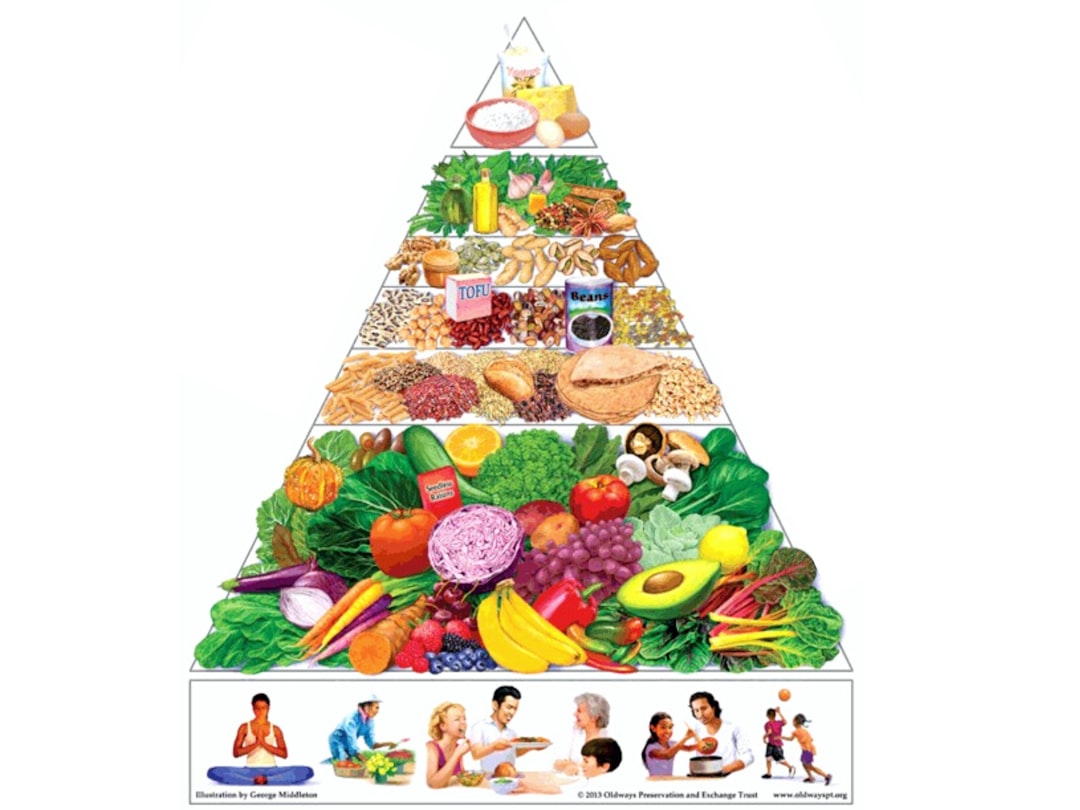
Innovations in food technology and nutrition science offer new avenues for combating NCDs. Researchers are exploring plant-based diets and functional foods that provide essential nutrients without harmful additives. It demonstrates that adopting such dietary practices can reduce the risk of developing NCDs. However, widespread adoption requires overcoming cultural and economic barriers.
Conclusion: A Call to Action
In conclusion, the relationship between diet and noncommunicable diseases is a complex yet critical area of concern. We must acknowledge that addressing this issue requires a multifaceted approach, involving individuals, communities, and policymakers. The time has come for concerted efforts to promote healthier dietary patterns, thereby reducing the global burden of NCDs and improving public health outcomes.