Understanding the Current Landscape of Food Systems
As I delve into the complexities of our global food systems, I find myself both fascinated and concerned. The food systems we rely on today are a tapestry woven from agriculture, technology, and consumer behavior. However, it is worth considering that these systems are under increasing pressure from a variety of fronts, including climate change, population growth, and economic disparities. In my opinion, the future of food systems will depend heavily on how we address these challenges.
The Role of Technology in Shaping Food Systems
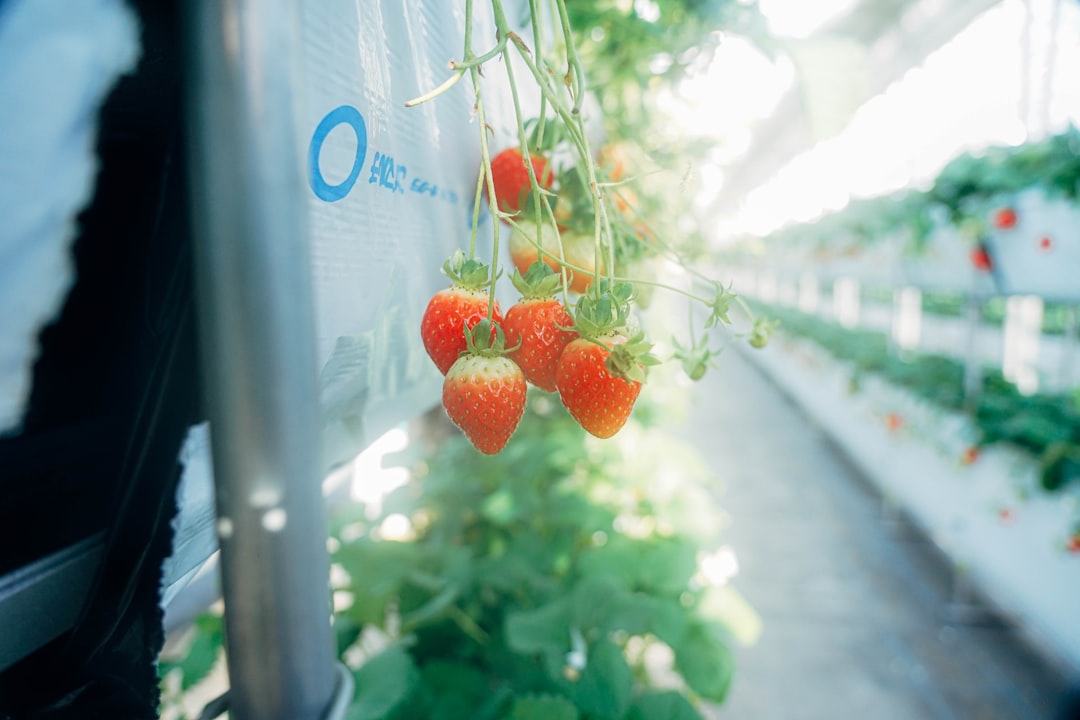
One cannot ignore the profound impact technology has had on food production and distribution. In my experience, advancements such as precision agriculture, biotechnology, and blockchain for supply chain transparency are revolutionizing how we think about food. Yet, this raises important questions about the accessibility of these technologies and their implications for small-scale farmers. I believe the evidence suggests that while technology holds promise, it must be implemented inclusively to ensure equitable benefits.
Climate Change: A Looming Threat
Climate change poses one of the most significant threats to our food systems. I have found that erratic weather patterns, droughts, and floods are already disrupting agricultural productivity. This situation is exacerbated by the fact that agriculture itself is a major contributor to greenhouse gas emissions. It is time to recognize the need for sustainable practices that can mitigate these impacts. In my view, adopting regenerative agriculture and reducing food waste are critical steps forward.
Consumer Behavior and Dietary Shifts
In my opinion, consumer behavior is another powerful driver of change in food systems. I’ve observed a growing trend towards plant-based diets and a heightened awareness of food sourcing and sustainability. These shifts are influencing how food is produced and marketed. However, the implications are clear: to truly transform food systems, we must also address issues of affordability and cultural preferences. I think it’s crucial to balance innovation with respect for diverse dietary needs.
Policy and Governance: The Need for Strategic Action
Effective policy and governance are essential for steering the future of food systems in a positive direction. I believe that governments and international bodies must play a proactive role in setting regulations that promote sustainability and resilience. My experience shows that without coordinated efforts, the risk of exacerbating existing inequalities and environmental damage remains high. Therefore, strategic action is necessary to create a fair and sustainable food system for all.
Conclusion: Embracing a Holistic Approach
As I reflect on the future of food systems, I am convinced that a holistic approach is required. We must acknowledge the interconnectedness of technology, climate, consumer behavior, and policy. By integrating these elements, we can build resilient food systems that are capable of sustaining a growing global population. It is time to recognize the urgency of this task and take decisive steps towards a sustainable future.