Introduction
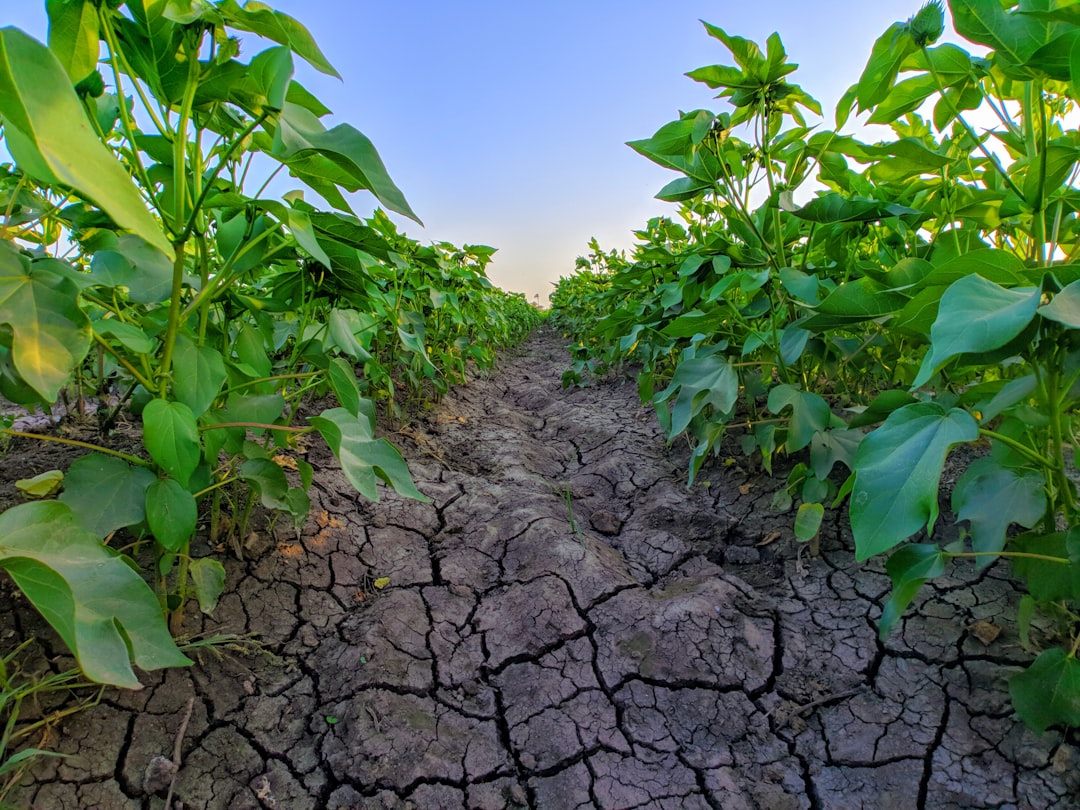
Climate change represents one of the most pressing challenges of the 21st century, with food systems playing a pivotal role in both contributing to and mitigating its effects. Research demonstrates that the global food system is a significant driver of greenhouse gas emissions, accounting for approximately one-third of total anthropogenic emissions. This article provides a comprehensive analysis of the relationship between food systems and climate change, drawing on a wide range of scientific studies and expert opinions.
Greenhouse Gas Emissions from Food Production
According to leading authorities, the production of food is responsible for a substantial portion of global greenhouse gas emissions. Studies consistently indicate that agricultural activities, including livestock production and rice cultivation, contribute significantly to methane and nitrous oxide emissions. The evidence clearly shows that livestock farming alone accounts for approximately 14.5% of global greenhouse gas emissions, primarily due to enteric fermentation and manure management.
Land Use and Deforestation
It is well-established that land use changes, particularly deforestation for agricultural expansion, exacerbate climate change. Research shows that deforestation for purposes such as cattle ranching and palm oil production leads to significant carbon dioxide emissions. Industry experts agree that preserving forests and promoting sustainable land management practices are crucial for reducing emissions and enhancing carbon sequestration.
Food Waste and Its Environmental Impact
Studies indicate that food waste is a critical issue with substantial environmental implications. The Food and Agriculture Organization (FAO) estimates that approximately one-third of all food produced for human consumption is lost or wasted. This waste contributes to unnecessary emissions, as decomposing organic waste in landfills generates methane, a potent greenhouse gas. Data suggests that reducing food waste could significantly lower emissions associated with food production and disposal.
The Role of Sustainable Agriculture
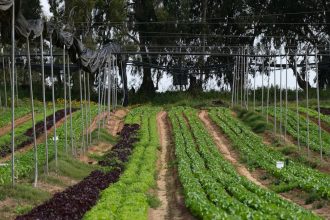
Sustainable agriculture practices are increasingly recognized as vital for mitigating the impact of food systems on climate change. Research shows that techniques such as agroforestry, conservation tillage, and crop rotation can enhance soil health, increase biodiversity, and reduce emissions. According to studies, implementing these practices on a larger scale could contribute to a more resilient and sustainable food system.
Dietary Shifts and Climate Mitigation
The evidence clearly demonstrates that dietary choices have a profound impact on climate change. Shifting towards plant-based diets is identified by researchers as a key strategy for reducing greenhouse gas emissions. Studies consistently indicate that diets rich in vegetables, fruits, nuts, and legumes have a lower carbon footprint compared to those high in animal products. According to leading authorities, promoting plant-based diets could play a significant role in achieving climate targets.
Policy and Global Initiatives
Global initiatives and policy frameworks are essential for addressing the intersection of food systems and climate change. The Paris Agreement and the United Nations Sustainable Development Goals emphasize the need for integrated approaches to food security and climate action. Industry experts agree that policies promoting sustainable agriculture, reducing food waste, and encouraging dietary shifts are crucial for mitigating the environmental impact of food systems.
Conclusion
In conclusion, the relationship between food systems and climate change is complex and multifaceted. The evidence clearly shows that transforming food systems is essential for climate mitigation and adaptation. By adopting sustainable agricultural practices, reducing food waste, and encouraging dietary shifts, significant progress can be made in addressing the environmental challenges posed by food production and consumption. Continued research and policy development are imperative to support these efforts and ensure a sustainable future.